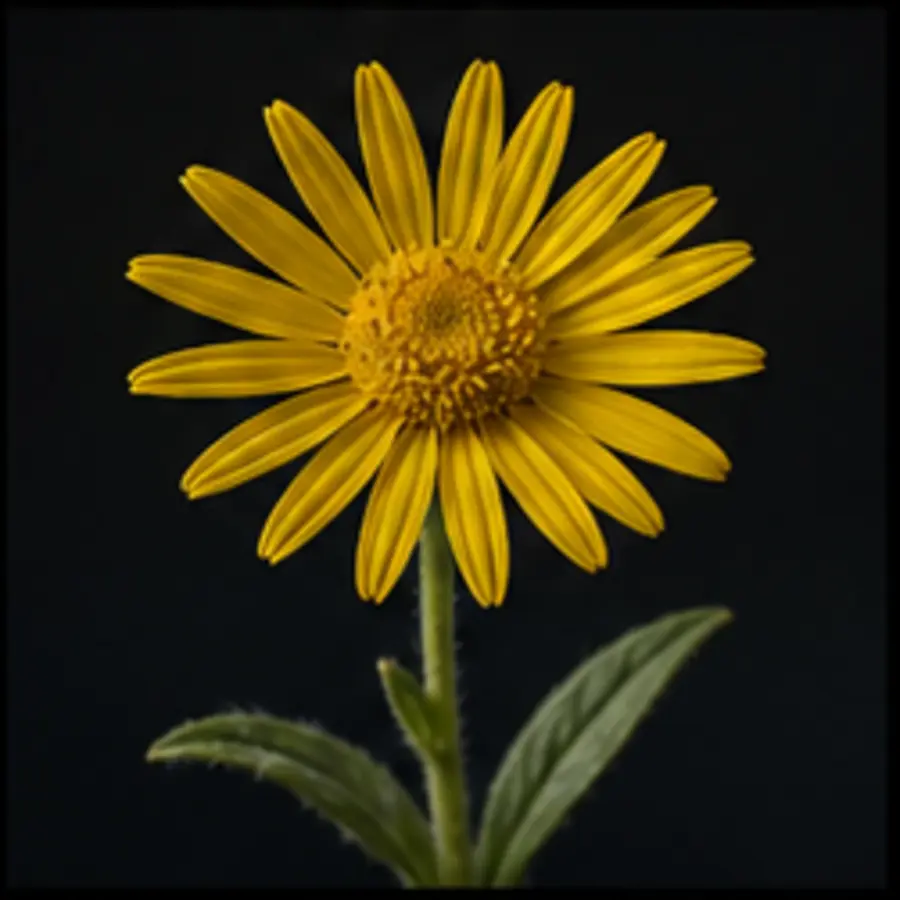
Extracting a plant’s scent
Distinguish the main types of process.
What you will learn
- Distinguish the main types of process.
- Understand why different plants do not all yield the same kind of extract.
- Read the name of an extract without confusing it with the whole plant.
Distillation and expression
Steam distillation is suitable for many aromatic plants, woods and roots. Expression mechanically presses citrus peel to collect its essence.
Solvents and CO₂
Solvent extraction allows delicate flowers to be processed and produces absolutes, among other extracts. Supercritical CO₂ can preserve other nuances thanks to relatively low temperatures.
Safety and traceability
Natural does not automatically mean gentle or free of restrictions. Botanical origin, batch, allergens, dosage and conditions of use must be documented.
Start with the harvested part
Flowers, leaves, fruit peels, woods and roots are not interchangeable. The botanical name identifies the plant; the part used and the process help explain the material obtained. “Rose extract” is therefore less precise than a documented designation.
The process changes the portrait
Processing selects some of the odorous constituents. The resulting material may smell different from the living plant. Two extracts of the same plant can therefore serve different intentions without one automatically being superior.
When a flower becomes an accord
Some floral smells are mainly evoked through composition. The perfumer brings materials together to create a recognisable impression. An accurate description distinguishes this interpretation from an extract obtained directly from the plant.
Explain the craft without giving a recipe
For a visitor, explain what the process contributes to perception. There is no need to give temperatures or suggest extraction at home. The lesson helps you understand materials; it does not replace a professional procedure.
Identify a material through its processing pathway
To understand an extract, connect four pieces of information: botanical identity, processed part, method and commercial grade. The plant name is insufficient. Bitter orange makes this distinction concrete: its flowers yield neroli by distillation or orange-blossom absolute by extraction followed by purification. Its leaves and twigs provide a different starting material for petitgrain.
The process does not capture a complete portrait of the plant. It selects a distribution of constituents and therefore a particular texture and balance. Neroli may offer a greener, lighter expression than the absolute; this does not make the absolute simply more concentrated neroli. Comparing names, methods and descriptions avoids ranking materials solely by their supposed strength.
Then read what the document actually establishes. A commercial designation, a suggested use and a measured characteristic do not have the same scope. Find the product reference and document version; keep missing information visible. This method interprets materials without undertaking their manufacture. It also distinguishes a documented extract from a flower-inspired accord: an olfactory resemblance does not demonstrate extraction of that flower.
Continue with the materials library
- Neroli
Read about flower distillation.
- Orange blossom
Compare extraction and purification of the absolute.
- Petitgrain
Distinguish leaves and twigs from flowers.
Fictional teaching example
Fictional teaching case: two “orange blossom” sheets
Two imaginary sheets specify “flowers, distillation” and “flowers, extraction then purification” respectively.
Reasoning with commentary
- The same plant part does not guarantee the same product.
- The method distinguishes essential oil from absolute.
- Sensory comparison does not replace documentary identification.
Present two distinct transformations without inventing yield or a quality hierarchy.
Success criteria
- Identify the part used.
- Connect method and extract type.
- Flag a missing datum.
Useful words
Describing a sensation is not analysing a formula. Write “this reminds me of…” when offering a comparison.
Facet
One aspect of a smell: a single material may suggest lemon, green leaves and wood.
Accord
A blend of materials that creates an overall impression. It can evoke a plant without containing its extract.
Extract
A material obtained from a source through a specific process. The plant name alone is not enough: the part and method matter.
Distillation
Steam carries volatile constituents. After cooling, the watery distillate is separated from the essential oil when present.
Absolute
A fragrant extract obtained through extraction and purification, usually with solvents. It is not an essential oil.
Resin
A plant secretion distinct from needles and wood. Its extract and an essential oil distilled from foliage are not interchangeable.
Try it yourself
How to study this lesson
- Identify the words essence, essential oil and absolute.
- Compare two profiles with an identified method.
- Present the differences while staying faithful to the available information.
Open two documented material profiles: a citrus fruit and a flower. Separately record the plant part, the process actually stated and the name of the extract. If information is not given, leave it blank. Explain in two sentences why you cannot automatically assign the same method to both plants.
Reveal the guidance
- Does a floral smell prove that an absolute was used? No.
- Can I state which part of the plant is involved?
- Have I described an actual process, or merely a technical possibility?
Remember
An essential oil or absolute is not the whole plant: it is the precise result of a process.