← Back to the Herbarium
Labdanum
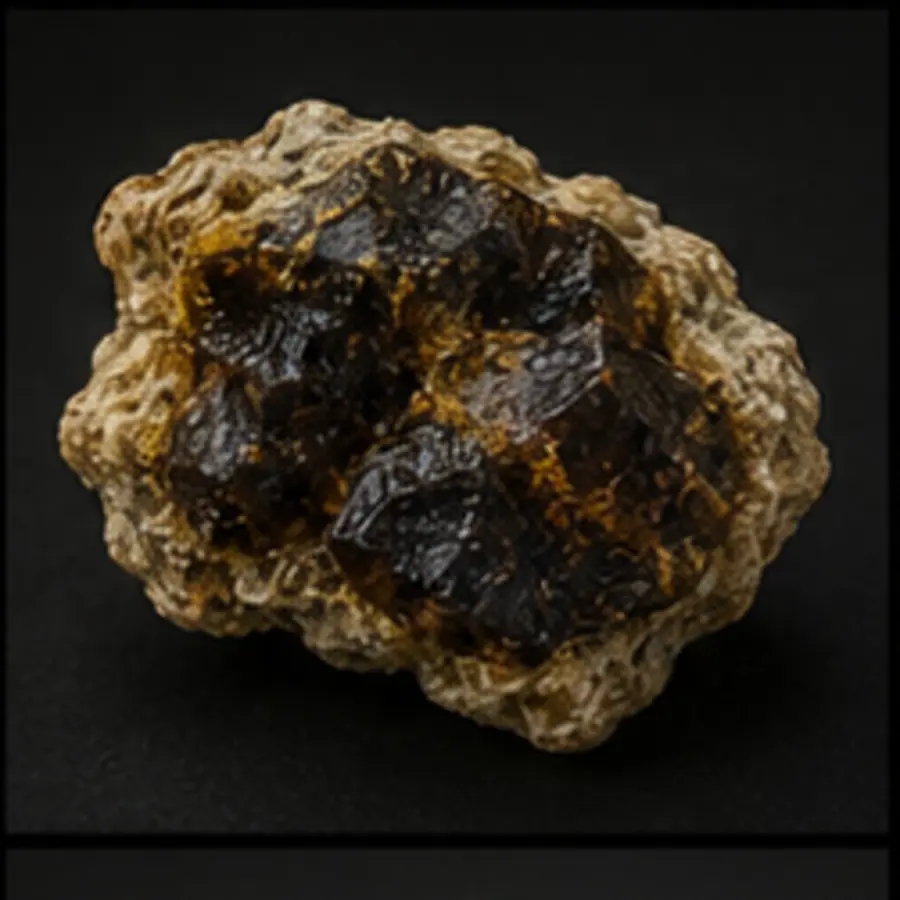
Cistus ladaniferLabdanum is the resin of gum rockrose. Its ambery depth combines warm balm, leather and a nuance of dry vegetation.
Portugal · Spain
Cistus ladaniferCistus ladanifer is a Mediterranean Cistaceae shrub particularly associated with Spain and Portugal. Its white flowers are striking, but the material sought here is the sticky resin produced on young plant parts.
After spring flowering, young twigs produce resin. In Spain, manual cutting of the current year’s shoots begins notably in July; one reference campaign extends from June to September. Excess rain and severe dryness can both reduce resin collection.
Periods vary with region, altitude and yearly conditions.
Twigs may be treated in an alkaline bath to detach resin, which is then separated, washed and dried. Alcoholic extraction of this material produces a resinoid. Cistus essential oil distilled from aerial parts is a different material.
One reference resinoid reports approximately 15 kg of plant material per kilogram of extract.
Labdanum gives ambers structure and woods a leathery shadow. With benzoin it becomes more enveloping; with frankincense it gains a dry, resinous dimension. Its value lies in depth that evokes both warmth and texture.
Ancient accounts describe resin collected from the coats of goats moving through rockrose. Modern supply chains use other collection and processing methods, but the image captures the plant’s sticky summer character.