Maison du Lac Évian-les-Bains
Cart
EN
FrançaisEnglishEspañolDeutschItalianoNederlandsالعربية简体中文Polski日本語Português (Portugal)한국어SvenskaБългарскиΕλληνικάDansk
Menu
← Back to the Herbarium

Swiss stone pine

Pinus cembra
The warm wood of a chalet, the freshness of the needles and a resinous softness: the Swiss stone pine has an intimate presence in the Alpine imagination. Its aroma connects the high altitude forest with light wood interiors.
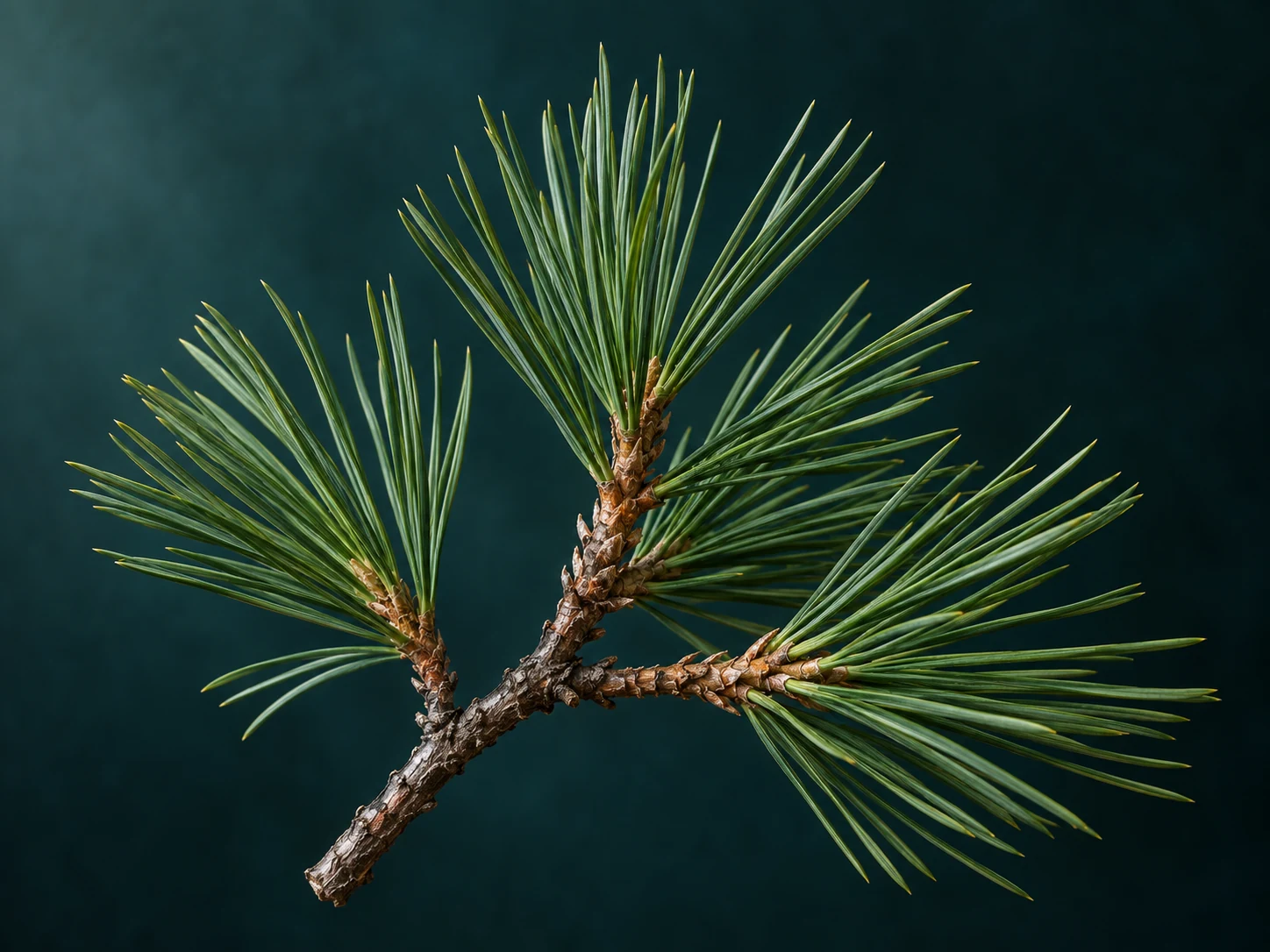
Swiss stone pine
01 · Natural material

Origins & territories

France · Austria · Switzerland · Italy · Slovenia

Pinus cembra

Pinus cembra, called arolle in the Alps, forms subalpine forests and is found on rocks and scree. Its needles are grouped in fives. Its cones contain large, wingless seeds, a trait that distinguishes it from many other pines.

FranceAustriaSwitzerlandItalySlovenia
Alps · indicative area
02

Flowering & plant cycle

The pollination period is from June to August in the Swiss benchmark. The leafy branches intended for aromatic production are a separate harvest. Wood, needles and seeds correspond to three different starting materials.

Flowering · botanical reference · Switzerland

  1. Jan
  2. Feb
  3. Mar
  4. Apr
  5. May
  6. Jun · Indicative period
  7. Jul · Indicative period
  8. Aug · Indicative period
  9. Sep
  10. Oct
  11. Nov
  12. Dec

Periods vary with region, altitude and yearly conditions.

03

From material to extract

Steam distillation of the twigs and needles can provide a fresh, resinous essential oil. The seeds produce a fatty vegetable oil when pressed. The wood used in carpentry retains yet another fragrant expression, drier and softer.

04

In a composition

Twig oil can illuminate woods and aromatic accords. An evocation of cembro can also favor the softness of a woody interior: we then bring together resinous freshness, supple woods and discreet musks.

05

History & uses

The Alps have a tradition of arolle furniture and paneling. The smell of wood thus becomes a memory of an inhabited space, while the needles tell of the living tree: two complementary readings of the same conifer.