← Back to the Herbarium
Floral
Rose centifolia
Rosa × centifoliaRose centifolia, often called May rose, offers a full petal with honeyed and peppery nuances. Its absolute retains warm, green and fruity depth.
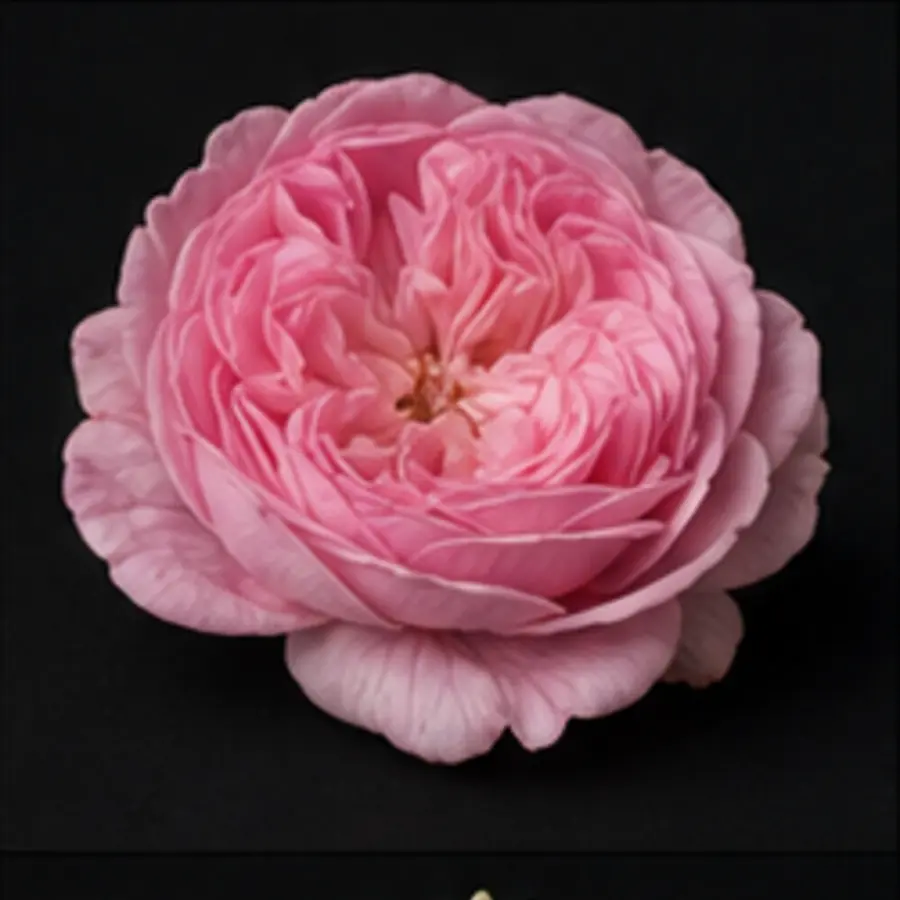
Floral
France · Tunisia
Rosa × centifoliaRosa centifolia is a landmark of the Grasse region in southern France. Tunisia also supplies a documented absolute. It differs from Rosa damascena, although their facets meet within the broad rose vocabulary.
In Grasse, flowers are picked every morning during a campaign of about four to six weeks, generally from May to early June. They are delivered promptly for extraction. One Tunisian grade also lists May and June, without implying identical conditions in both origins.
Periods vary with region, altitude and yearly conditions.
Flowers undergo solvent extraction to produce concrete. Alcohol treatment and wax separation then produce the absolute. This processing chain retains a different palette from rose distillation.
One reference Tunisian absolute requires approximately 900 kg of flowers per kilogram of extract, or 90 kg for 100 g.
The absolute suggests dense, enveloping petals with honey, green and a spicy touch. It can fill out jasmine, soften woods or enrich orris. Fruity nuances keep it alive beyond simple powdery sweetness.
May rose belongs to a chain of gestures linking the field, the extraction workshop and the perfumer. In 2018, perfume skills in Pays de Grasse were inscribed on UNESCO’s intangible cultural heritage list: plant cultivation, material processing and composition form one living tradition.