Maison du Lac Évian-les-Bains
Cart
EN
FrançaisEnglishEspañolDeutschItalianoNederlandsالعربية简体中文Polski日本語Português (Portugal)한국어SvenskaБългарскиΕλληνικάDansk
Menu
← Back to the Herbarium

Black tea accord

Accord de parfumerie
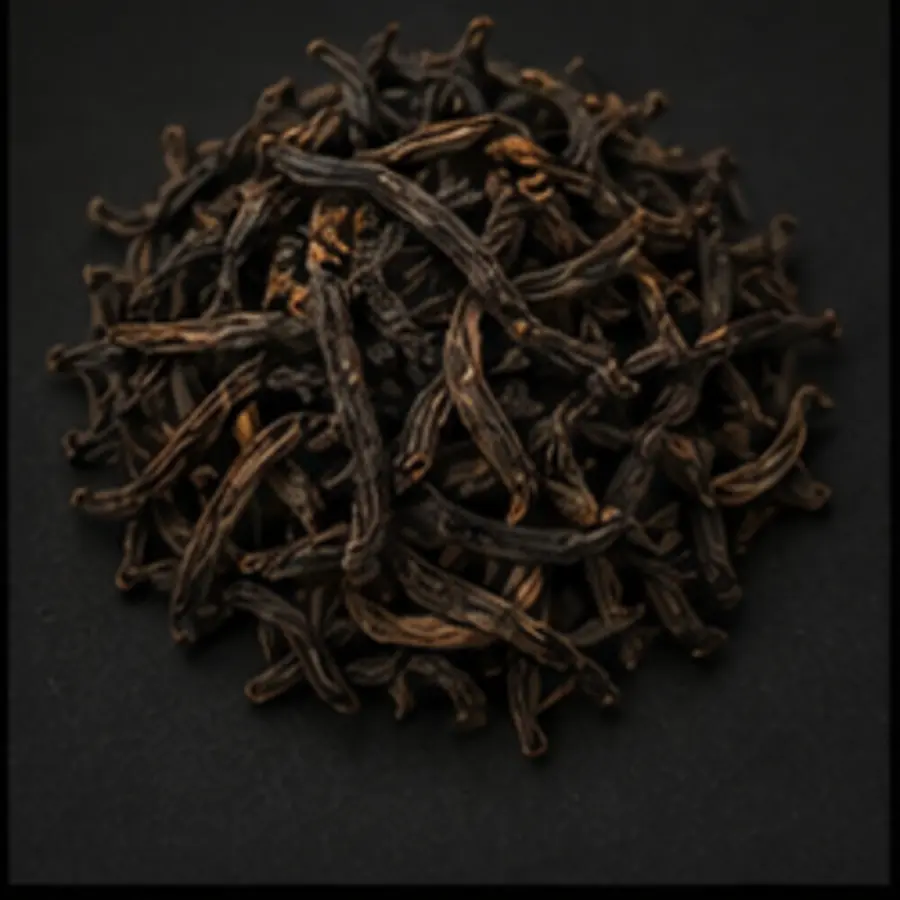
Dry leaf, infusion vapor and woody shadow: the black tea accord allows for a sober and textured elegance. Depending on its construction, it evokes a floral cup, a fruity tea or a more smoky character.
Black tea accord
01 · Olfactory accord

Origins & territories

India · Sri Lanka · China

Accord de parfumerie

Black tea comes from Camellia sinensis leaves processed after harvest. India, China and Sri Lanka offer known benchmarks, but this entry designates an olfactory accord, not a batch of absolutes.

IndiaSri LankaChina
Landscape inspiration
02

From landscape to accord

An accord is composed, not harvested. Where relevant, the calendar refers to its natural inspiration.

The picking season and the style of making shape the tea. The young harvested leaves then go through withering, rolling, oxidation and drying, which build its aromatic palette.

03

Interpretation and composition

Natural tea extracts exist, but a black tea accord can bring together floral, dry, woody and smoky materials to recreate the sensation of an infusion.

04

In a composition

The accord can connect citrus with woods, or give dry depth to a floral. A smoky accent is reminiscent of certain styles of tea; a fruity nuance opens another reading. The tannic impression is a sensation of texture translated by the smell.

05

History & uses

Black tea and green tea come from Camellia sinensis. For black tea, the oxidation of the leaves after withering and rolling transforms the aromas before drying; this work differs from the microbial fermentations specific to other styles of tea.