← Back to the Herbarium
Vetiver
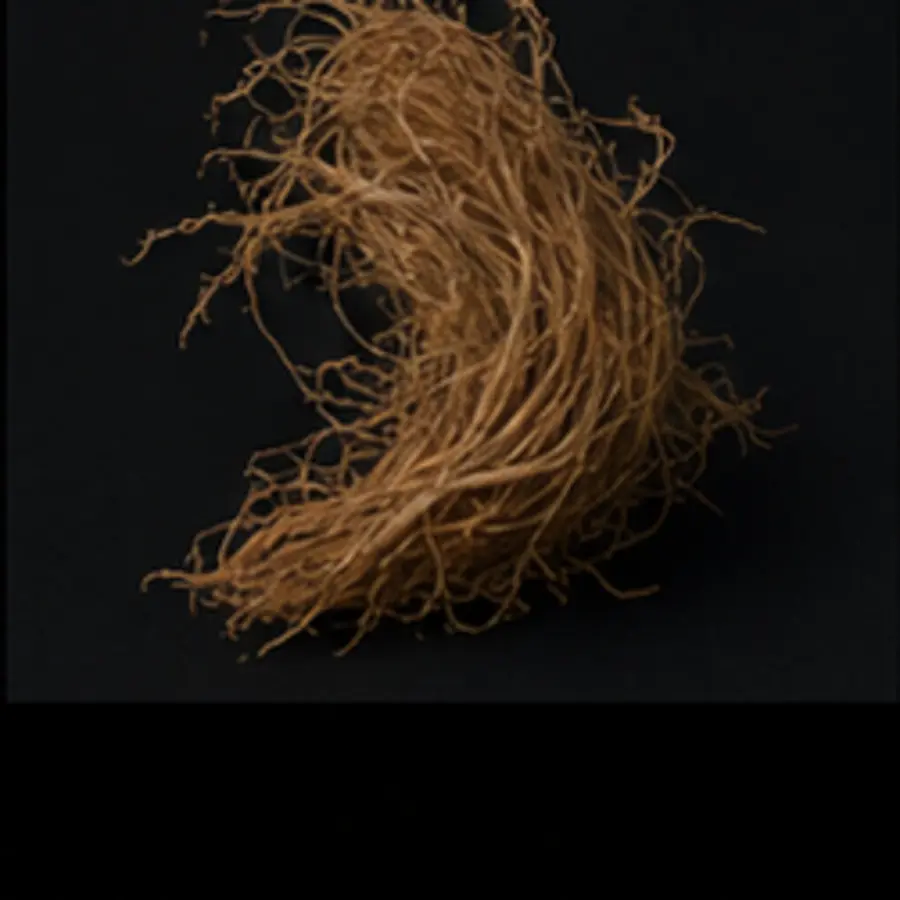
Chrysopogon zizanioidesVetiver gives perfume the depth of a root: dry wood, earth, sometimes smoke, with fresher flashes. Its fragrant material comes from the root system of a grass.
Indonesia · Haiti · Madagascar · India
Chrysopogon zizanioidesChrysopogon zizanioides, also known as Vetiveria zizanioides, belongs to the Poaceae family. Its long leaves resemble a tall grass, but the roots interest perfumery. Haiti and Java are major reference origins; Madagascar also has supply chains. Origin and processing help shape the profile: Haitian oil and a Java grade should not be assumed identical.
The root system must develop before harvesting. In one Haitian supply chain the leaves are cut and the clumps lifted with a pickaxe; slips are replanted for the next cycle. Soil is removed from the roots before preparation for distillation. This supply chain lists January to July, while other calendars are broader: a harvest calendar must remain linked to its origin.
Periods vary with region, altitude and yearly conditions.
Distilling the roots with water or steam produces an essential oil. The material can subsequently be fractionated to select particular facets. Whole oil, vetiver heart and a transformed derivative are not interchangeable: processing changes the texture and balance of the root scent.
One Haitian grade reports about 200 kg of plant material per 1 kg of root oil.
Vetiver provides a woody, earthy base that is dry rather than sweet. Depending on the grade, it may reveal smoke, grapefruit-like bitterness or nutty nuances. It supports citrus, gives woods a backbone and can lighten an ambery base through dry freshness. Earthy therefore need not mean heavy.
Vetiver roots have also been used for woven objects and fragrant screens. Perfumery works with the same plant organ in a much more concentrated form. The plant’s interest therefore lies at the meeting point of fibrous material and fragrance material.