← Back to the Herbarium
Ambrette
Abelmoschus moschatusAmbrette is a seed with a soft, subtly fruity musk scent. It offers a botanical material capable of suggesting skin, powder and a liqueur nuance.
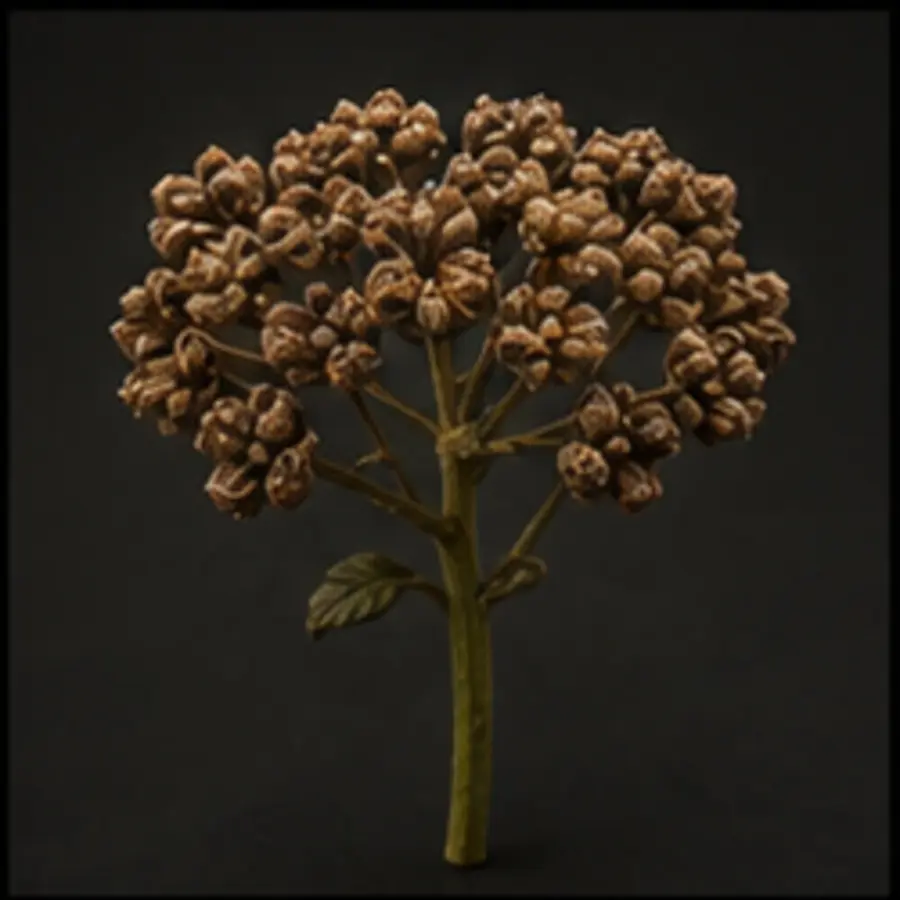
Peru · Ecuador · India
Abelmoschus moschatusAbelmoschus moschatus, also listed as Hibiscus abelmoschus in some references, belongs to the Malvaceae. India, Ecuador and Peru are associated cultivation origins. The desired aromatic material is held in seeds within capsules.
Capsules are collected when mature, then seeds are separated and prepared. One grade from Ecuador and Peru lists a June–August campaign.
Periods vary with region, altitude and yearly conditions.
Hydrodistilling the seeds produces ambrette essential oil. Extraction processes also produce absolutes: the form must be identified before comparing scent and yield. Ambrettolide contributes to its musky signature.
One reference hydrodistilled oil requires approximately 380 kg of seeds per kilogram of oil, or 38 kg for 100 g.
Ambrette brings powdery softness with fruity, liqueur-like nuances sometimes recalling cognac. It accompanies orris, rose and soft woods with an intimate feel. Its value goes beyond sweetness, linking flowers to a skin-like impression.
“Musk” does not identify a single origin. Ambrette is a botanical example, while many other perfumery musks are synthesized. Their relationship is sensory rather than botanical.