Maison du Lac Évian-les-Bains
Cart
EN
FrançaisEnglishEspañolDeutschItalianoNederlandsالعربية简体中文Polski日本語Português (Portugal)한국어SvenskaБългарскиΕλληνικάDansk
Menu
← Back to the Herbarium

Green

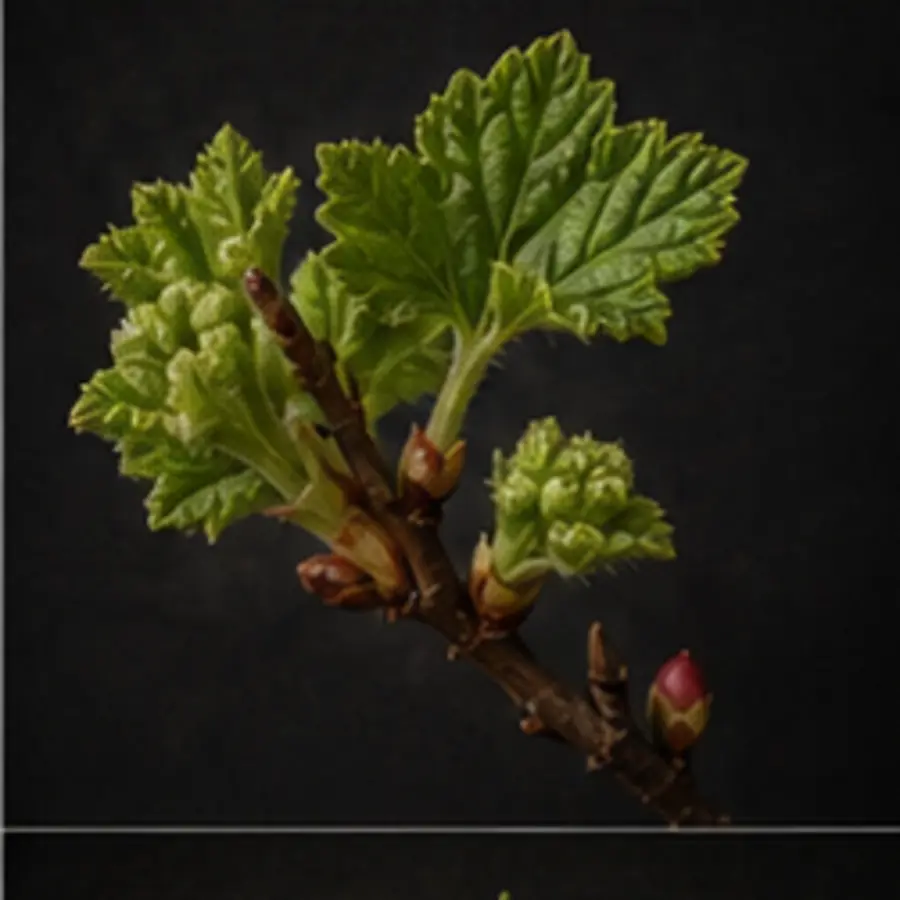
Burgundy blackcurrant bud

Ribes nigrum
Before the berry comes the bud: a vivid, sparkling green material, with dark fruit glimpsed behind the impression of a crushed leaf. Blackcurrant gives shape and tension to refined fruity openings.
Burgundy blackcurrant bud
01 · Natural material

Origins & territories

France

Ribes nigrum

The blackcurrant bush, Ribes nigrum, belongs to the Grossulariaceae family. Burgundy is a recognised growing region for both berries and buds. Perfumery seeks the small fragrant buds; their character differs from blackcurrant juice, jam or liqueur.

France
Landscape inspiration
02

The harvest season

Buds are harvested in winter, mainly from December to February, while the bush is dormant. This precedes the summer berry harvest by several months. The timing helps explain the scent: a promise of leaf and fruit is captured while still enclosed within the bud scales.

Harvest · regional reference · France

  1. Jan · Indicative period
  2. Feb · Indicative period
  3. Mar
  4. Apr
  5. May
  6. Jun
  7. Jul
  8. Aug
  9. Sep
  10. Oct
  11. Nov
  12. Dec · Indicative period

Periods vary with region, altitude and yearly conditions.

03

From material to extract

Solvent extraction produces a concrete, followed by processing with ethyl alcohol to obtain the absolute. In a Burgundy supply chain, buds are processed in Aumont-Aubrac and the absolute is refined in Grasse. Supercritical CO₂ extracts offer another way of working with the same plant part.

The material behind the extract

One quality of Burgundy blackcurrant bud absolute requires about 30 kg of plant material to produce 1 kg of absolute. This reference concerns the buds and this particular extraction.

04

In a composition

The absolute brings green tension to roses, citrus and red-fruit accords. Its powerful, sulphurous and sometimes animal character explains why a small touch can change an entire bouquet. It can make rose leafier, grapefruit sharper or a berry more convincing, without giving the perfume a syrupy impression.

05

History & uses

This material offers another reading of an orchard: perfumery values a part that is easily overlooked when thinking about fruit. In Burgundy, lasting partnerships between growers and extractors have helped structure this winter crop, with traceability from the field to the absolute.