Maison du Lac Évian-les-Bains
Cart
EN
FrançaisEnglishEspañolDeutschItalianoNederlandsالعربية简体中文Polski日本語Português (Portugal)한국어SvenskaБългарскиΕλληνικάDansk
Menu
← Back to the Herbarium

Ecuadorian ambrette seed

Abelmoschus moschatus (Hibiscus abelmoschus)
A soft, complex botanical musk with iris and a breath of cognac: ambrette brings muted sensuality. Its scent begins with a seed, far from the usual image of musky flowers.
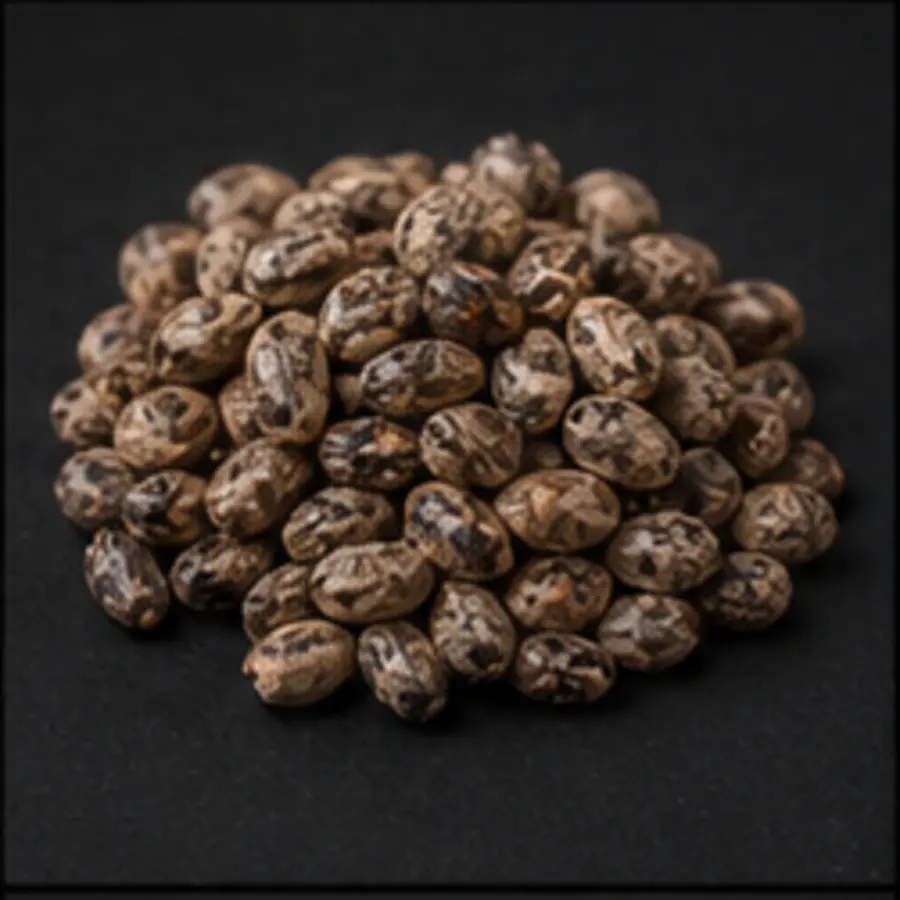
Ecuadorian ambrette seed
01 · Natural material

Origins & territories

Peru · Ecuador

Abelmoschus moschatus (Hibiscus abelmoschus)

Abelmoschus moschatus, also called Hibiscus abelmoschus, belongs to the Malvaceae family. Ecuador and Peru are recognised aromatic supply origins. The small seeds inside the capsules are the part sought for perfumery.

PeruEcuador
Cultivation & production
02

The harvest season

The reference season runs through June, July and August. Mature capsules provide seeds, which are sorted and prepared. This work helps define the consistency of the material intended for extraction.

Harvest · regional reference · Ecuador

  1. Jan
  2. Feb
  3. Mar
  4. Apr
  5. May
  6. Jun · Indicative period
  7. Jul · Indicative period
  8. Aug · Indicative period
  9. Sep
  10. Oct
  11. Nov
  12. Dec

Periods vary with region, altitude and yearly conditions.

03

From material to extract

Hydrodistillation yields a seed essential oil; an absolute offers another expression. Ambrettolide is among its characteristic musky constituents, while the complete scent also includes fruity, powdery and gently liqueur-like nuances.

The material behind the extract

One essential-oil quality from this South American supply chain requires about 380 kg of plant material for 1 kg of oil.

04

In a composition

Ambrette accompanies skin accords, iris and transparent flowers. It can give pear a velvety feel, musk a natural character or sandalwood a subtle warmth. Small fruity details keep its softness from becoming uniform.

05

History & uses

This seed is a striking example of a botanical musk. Olfactory families describe a sensation rather than a plant organ: similar musky impressions can be built from materials of very different origins.