← Back to the Herbarium
Patchouli
Pogostemon cablinPatchouli turns a leaf into structure: woody, earthy, sometimes camphoraceous or chocolate-like, it gives a composition definition and depth.
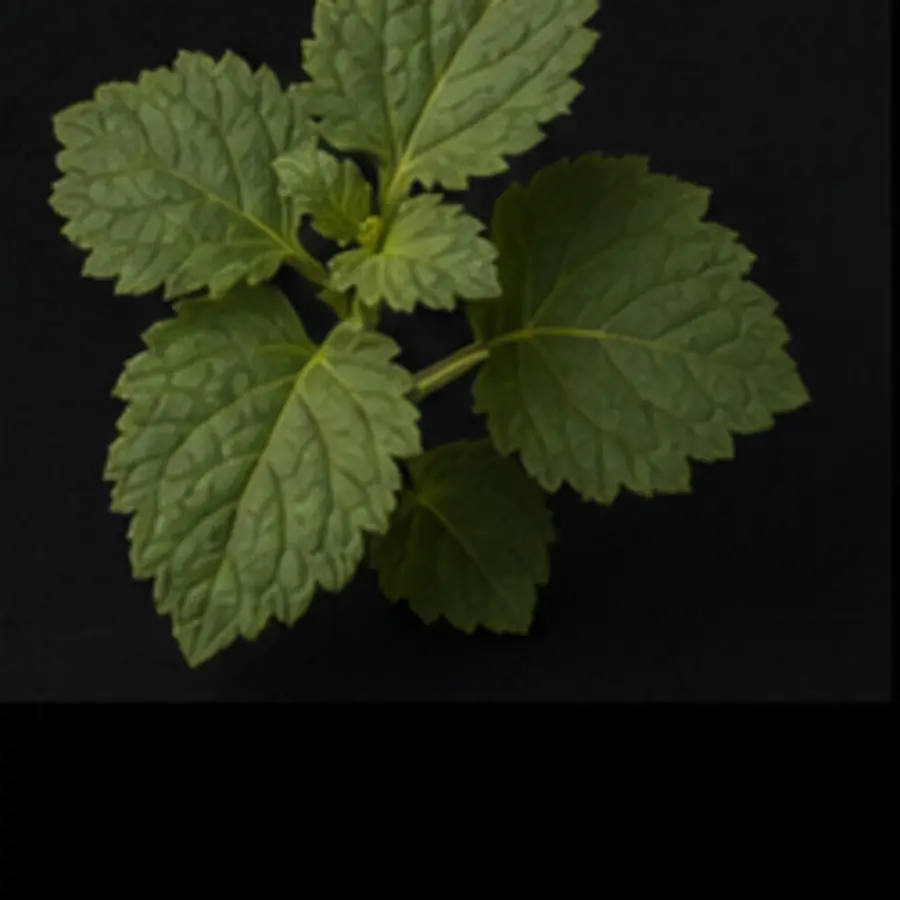
Indonesia · Madagascar
Pogostemon cablinPogostemon cablin belongs to the Lamiaceae family, alongside mint and lavender. Indonesia, particularly Sulawesi and Sumatra, is a major origin; Madagascar also has supply chains. The material comes from leafy parts and may include stems, depending on the product. Its deep scent therefore does not originate in wood, even when the oil is classified among woody notes.
Above-ground parts are cut and dried before distillation. One agronomic reference places the first cut around six months, although the rhythm depends on the site and cultivation practices. A reference Indonesian supply chain lists April to September. Drying, moisture and storage affect the result: a fresh leaf does not summarise the finished oil’s scent.
Periods vary with region, altitude and yearly conditions.
Water or steam distillation produces an essential oil. Maturation, rectification or fractionation can subsequently shift its balance. Some grades retain marked earthy depth; others emphasise a cleaner woody character. A patchouli fraction should not automatically be assigned the yield of the whole oil.
One reference Indonesian oil reports about 50 kg of plant material per 1 kg of oil.
Patchouli structures chypres, ambery perfumes and gourmand accords. Its earthy facet can interact with rose or vetiver, while sweeter nuances support vanilla and cocoa. It can act as a framework without becoming an immediately identifiable standalone note. Depending on the grade, the palette also includes fresh, minty or camphoraceous accents.
Patchouli is associated with textiles and the fragrance culture of the 1960s. That image does not exhaust its contemporary role: reworked grades allow clearer constructions while retaining the characteristic depth of the distilled leaf.