← Back to the Herbarium
Aromatic
Rosemary
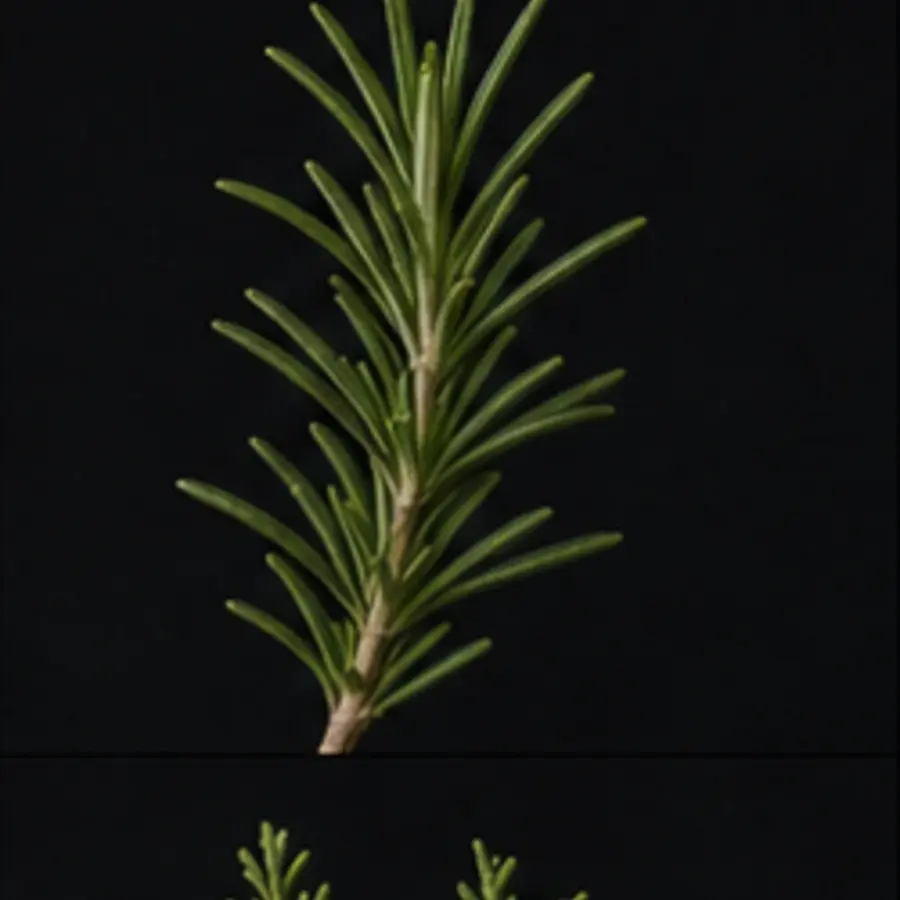
Salvia rosmarinusRosemary gives direct aromatic freshness with camphoraceous and resinous facets. Its oil may also reveal a floral nuance subtler than the vivid image of crushed foliage.
Aromatic
Tunisia · Spain · Morocco
Salvia rosmarinusTraditionally called Rosmarinus officinalis, rosemary is now placed in Salvia as Salvia rosmarinus. This Mediterranean Lamiaceae supplies oils notably from Tunisia and Morocco. Origin and chemical profile refine grade identity.
Leafy aerial parts are cut and prepared for distillation. One Tunisian oil lists April–June. Flowering and campaigns vary with climate, site and harvesting practice; not every rosemary oil follows that calendar.
Periods vary with region, altitude and yearly conditions.
Hydrodistilling stems and leaves produces essential oil. Cineole, pinenes and camphor contribute its facets. Their proportions vary between grades: a single universal profile would conceal an important part of the material.
One organic Tunisian oil reports approximately 50 kg of stems and leaves per kilogram of oil, or 5 kg for 100 g.
Rosemary gives citrus momentum and woods green tension. With lavender and petitgrain it builds structured aromatic freshness. Its resinous dimension can connect a bright opening to frankincense or conifers.
Culinary use makes the foliage familiar, but a perfumery oil concentrates a particular plant fraction. Comparison with a fresh sprig reveals the role of processing and volatile-compound proportions.